
What is Polyhydramnios?
Polyhydramnios is a condition that can happen during pregnancy. It means there is too much amniotic fluid around your baby in the womb. Amniotic fluid helps protect and support your baby as they grow. However, when there is too much fluid, it can lead to pregnancy complications. Doctors often find polyhydramnios during a routine ultrasound. Although it may sound scary, many women with this condition have healthy babies. Still, it is important to understand what it means and how it can affect your pregnancy.
Common Symptoms and Signs
Sometimes, polyhydramnios causes no symptoms. Yet, some women may notice changes as the fluid builds up. For example, you might feel:
However, these signs can also happen in normal pregnancies. So, always talk to your doctor if you notice anything unusual.
Causes and Risk Factors
There are several reasons why polyhydramnios may develop. Sometimes, doctors cannot find a clear cause. But often, it is linked to:
Additionally, some women are at higher risk. For instance, if you have had polyhydramnios before, your risk may be higher in future pregnancies.
How Polyhydramnios is Diagnosed
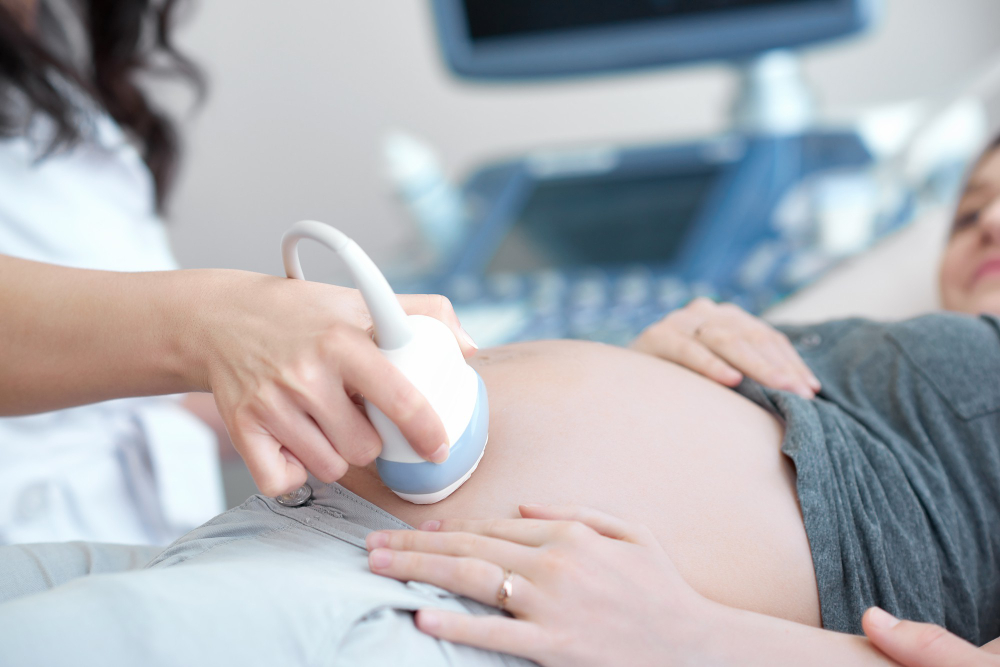
Doctors usually find polyhydramnios during a prenatal checkup. Often, they notice your belly is larger than expected. Then, they may order an ultrasound to measure the amount of amniotic fluid. If the fluid is above a certain level, they diagnose polyhydramnios. Sometimes, more tests are needed. For example, your doctor may check your blood sugar or look for infections. In some cases, they may suggest extra ultrasounds to watch your baby’s growth and health.
Treatment Options
Treatment for polyhydramnios depends on how severe it is. In mild cases, you may only need more checkups. However, if the condition is more serious, your doctor may suggest:
In some cases, early delivery may be needed. But your doctor will discuss the best plan for you and your baby.
Lifestyle Tips and Pregnancy Guidance
While you cannot always prevent polyhydramnios, you can take steps to support your health. For example:
Moreover, always let your doctor know if you feel sudden changes, such as pain or heavy swelling.
Prevention and When to Seek Help
Although you cannot always prevent polyhydramnios, early care can help. Therefore, regular checkups are important. If you notice any of the following, contact your healthcare provider right away:
Remember, quick action can protect both you and your baby. The World Health Organization and CDC recommend regular prenatal care for all pregnant women.
In summary, polyhydramnios can be managed with the right care. Consult your obstetrician at Mom Maternity & Pediatrics Hospital for personalized advice about polyhydramnios and pregnancy care.