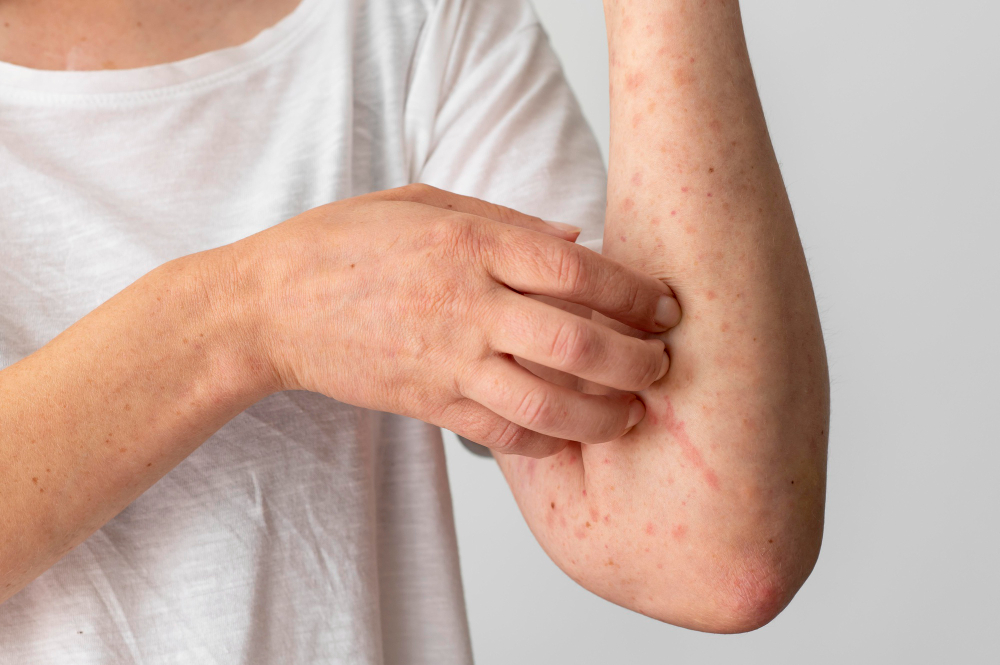
Skin infection and rashes in children are common concerns for many parents. Because children have sensitive skin, they can develop rashes or infections easily. Understanding these conditions helps parents spot problems early and keep their child healthy. In this blog, we will explain what skin infections and rashes are, their symptoms, causes, diagnosis, treatment, and how to prevent them. Knowing these facts can help you care for your child with confidence.
What Are Skin Infections and Rashes in Children?
Skin infections in children happen when germs like bacteria, viruses, or fungi enter the skin. Rashes are changes in the skin’s color, texture, or appearance. Sometimes, rashes are a sign of infection. Other times, they may be caused by allergies or irritation. For example, diaper rash is common in babies. In addition, conditions like eczema or chickenpox can cause rashes. Most rashes are not serious, but some need medical care.
Common Symptoms
It is important to watch for symptoms of skin infection and rashes in children. Early treatment can prevent problems. Look for these signs:
However, some rashes may not cause discomfort. Always check your child’s skin during bath time or changing clothes.
Causes and Risk Factors
Many things can cause skin infection and rashes in children. Here are some common causes:
Children are at higher risk because their skin is thinner and more sensitive. Also, playing outside or in groups can expose them to germs. In humid or hot climates, rashes like heat rash are more common. Poor hygiene or sharing personal items can also increase risk.
How Skin Infections and Rashes Are Diagnosed
Doctors use several ways to diagnose skin infection and rashes in children. First, they will ask about your child’s symptoms and medical history. Next, they will look at the rash or infection closely. Sometimes, they may take a small sample of skin or fluid for testing. This helps find out if bacteria, viruses, or fungi are present. In rare cases, blood tests may be needed. Quick diagnosis helps start the right treatment.
Treatment Options
Treatment for skin infection and rashes in children depends on the cause. Here are some common options:
Always follow your doctor’s advice. Do not use over-the-counter creams without checking with a healthcare provider. Some rashes need special care.
Prevention Tips for Parents
Parents can help prevent skin infection and rashes in children by following these tips:
In hot or humid areas, help your child stay cool and dry. This reduces the risk of heat rash and other skin problems.
When to See a Pediatrician
Most rashes and skin infections in children are mild. However, you should see a pediatrician if:
Early medical care can prevent serious problems. The CDC and WHO recommend seeking help if you are unsure about your child’s symptoms.
In summary, skin infections and rashes in children are common but often treatable. If your child has a persistent rash or skin infection, consult a pediatrician at Mom Maternity & Pediatrics Hospital for personalized advice.