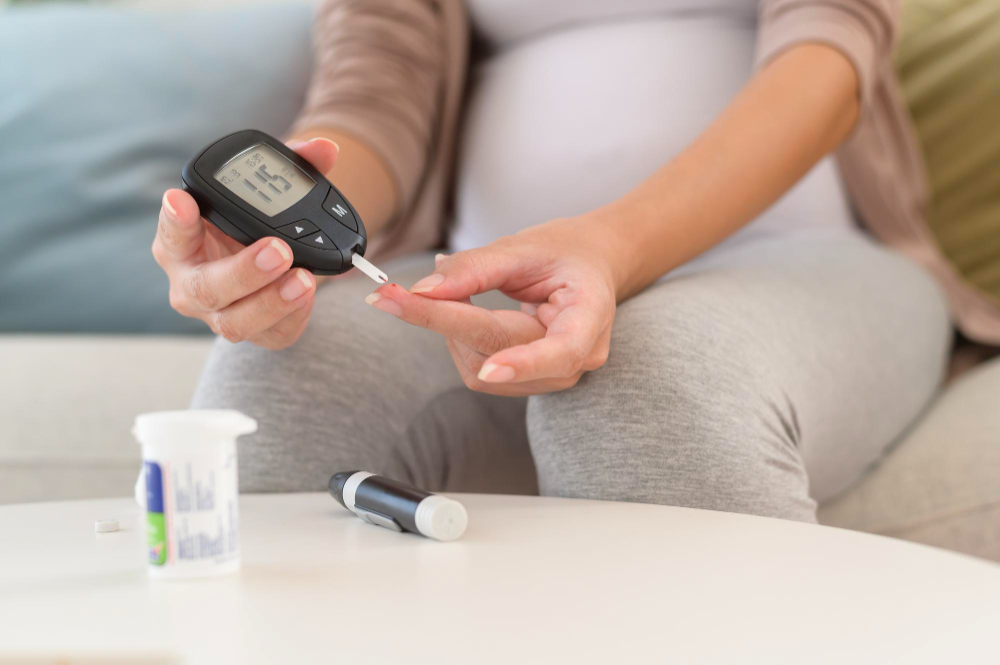
What is Gestational Diabetes?
Gestational diabetes is a type of diabetes that develops during pregnancy. It usually appears in the second or third trimester. Although it often goes away after the baby is born, it needs careful management. Early detection and treatment can help keep both mother and baby healthy. According to the CDC, gestational diabetes affects about 2% to 10% of pregnancies in the United States each year.
Symptoms of Gestational Diabetes
Many women with gestational diabetes do not notice any symptoms. However, some may experience mild signs. Because these symptoms can be subtle, regular screening is important. Watch for these possible symptoms:
Still, many women feel normal. Therefore, doctors recommend routine testing during pregnancy.
Causes and Risk Factors
Gestational diabetes happens when the body cannot make enough insulin during pregnancy. Insulin is a hormone that helps control blood sugar. As pregnancy progresses, the body makes more hormones. These hormones can block insulin, causing blood sugar to rise. Several factors can increase your risk:
Even if you have no risk factors, you can still develop gestational diabetes. That is why screening is important for all pregnant women.
Diagnosis and Screening
Doctors usually test for gestational diabetes between weeks 24 and 28 of pregnancy. However, if you have risk factors, your doctor may test earlier. The most common test is the glucose challenge test. Here is how it works:
Early diagnosis helps prevent complications for both mother and baby. Therefore, always attend your prenatal checkups.
Treatment Options
Treating gestational diabetes is important for your health and your baby’s well-being. Most women can manage it with lifestyle changes. Sometimes, medication is needed. Treatment options include:
Your healthcare team will guide you. They will help you choose the best plan for you and your baby.
Lifestyle and Dietary Guidance
Making healthy choices can help control gestational diabetes. For example, eating balanced meals and snacks keeps blood sugar steady. Try these tips:
Always talk with your doctor or a dietitian before making big changes. They can help you create a meal plan that fits your needs.
Prevention Tips
While you cannot always prevent gestational diabetes, some steps may lower your risk. Before pregnancy, try to:
During pregnancy, follow your doctor’s advice. Early prenatal care can help catch problems sooner.
When to See a Doctor
If you are pregnant, regular checkups are key. However, if you notice symptoms like extreme thirst, frequent urination, or blurred vision, contact your doctor right away. Early action can prevent complications. Also, if you have risk factors, ask your doctor about early screening for gestational diabetes.
In summary, gestational diabetes is a common condition during pregnancy. With the right care, most women have healthy pregnancies and babies. Consult a healthcare specialist at Mom Maternity & Pediatrics Hospital for personalized advice on gestational diabetes.