What Is Fetal Hyperglycemia?
Fetal hyperglycemia means high blood sugar in a fetus. This condition can happen when a mother has high pregnancy blood glucose. For example, gestational diabetes in the mother can raise the baby’s blood sugar. In the United States, more women are being diagnosed with gestational diabetes each year. As a result, fetal hyperglycemia is becoming more common. According to the CDC, high blood sugar in a fetus can affect growth and health before and after birth. Therefore, it is important to understand this condition and how it can be managed.
Causes of Fetal Hyperglycemia
There are several reasons why a fetus may develop high blood sugar. Most often, it is linked to the mother’s health. For instance, if a mother has diabetes before or during pregnancy, her blood sugar can pass to the baby. Additionally, some medicines taken during pregnancy may raise blood sugar levels. Sometimes, rare genetic conditions can also play a role. However, the most common cause is gestational diabetes.
Because the mother’s blood sugar crosses the placenta, the fetus can be affected quickly. Therefore, regular check-ups are important during pregnancy.
Symptoms and Signs of Fetal Hyperglycemia
Fetal hyperglycemia does not always show clear signs before birth. However, doctors may notice some changes during routine checks. For example, an ultrasound may show that the baby is larger than expected. This is called macrosomia. In some cases, extra fluid may build up around the baby, a condition known as polyhydramnios. After birth, babies with high blood sugar may have trouble breathing or feeding. They may also have low blood sugar soon after delivery, as their bodies adjust.
Because these signs can be subtle, regular prenatal care is very important.
How Is Fetal Hyperglycemia Diagnosed?
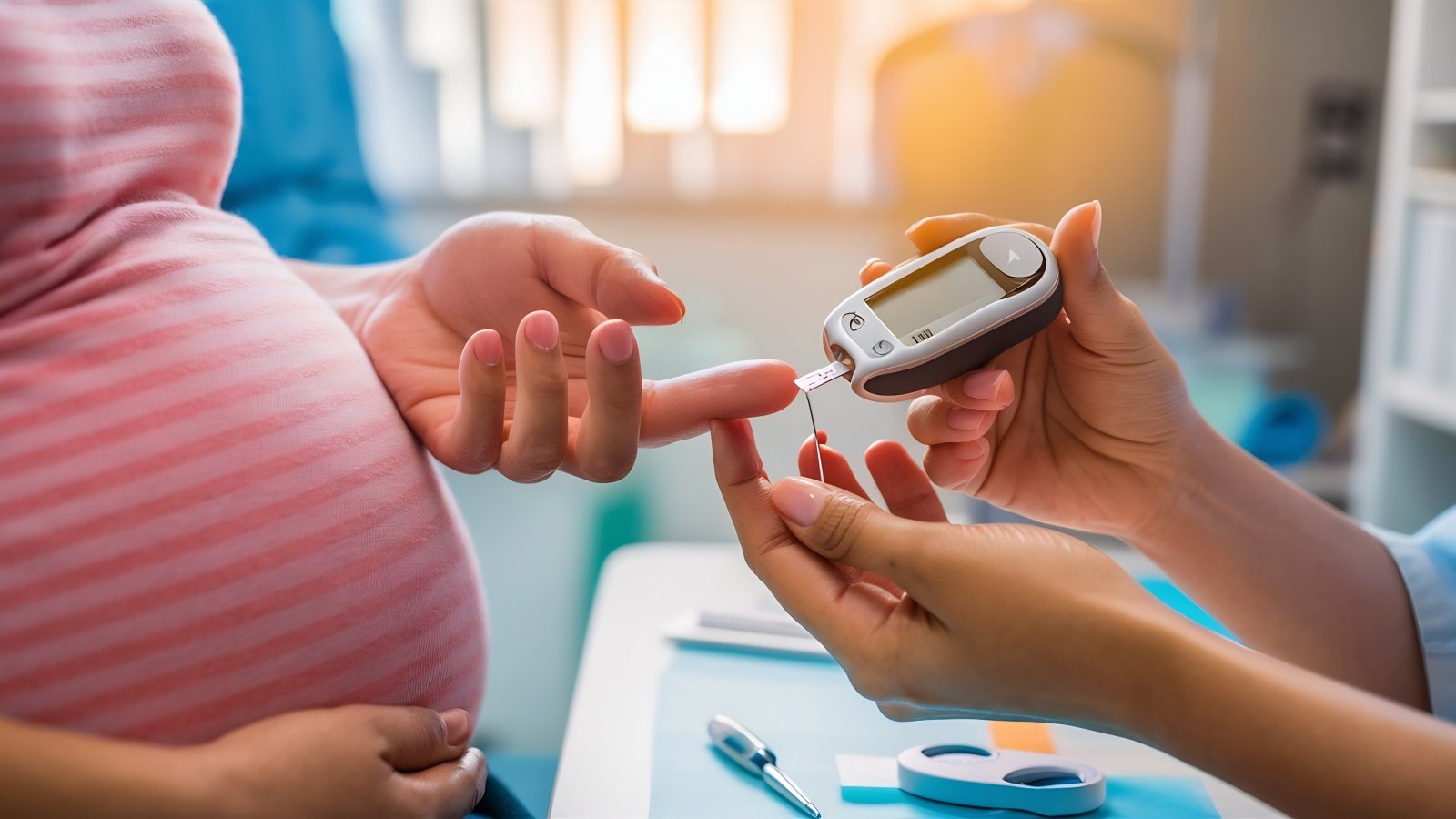
Doctors use several methods to check for fetal hyperglycemia. First, they may test the mother’s blood sugar during pregnancy. This is often done with a glucose tolerance test. If the mother has high blood sugar, doctors will watch the baby closely. Ultrasound scans can help check the baby’s size and growth. Sometimes, doctors may use special tests to check the baby’s blood sugar before birth, but this is rare. After birth, doctors will test the newborn’s blood sugar soon after delivery.
Because early diagnosis helps lower risks, expectant mothers should attend all prenatal visits.
Management and Treatment Options
Managing fetal hyperglycemia starts with controlling the mother’s blood sugar. Doctors may suggest changes in diet and exercise. Sometimes, medicine like insulin may be needed. Regular monitoring helps keep blood sugar in a safe range. If the baby’s growth is too fast, doctors may adjust the treatment plan. After birth, the newborn may need extra care, such as blood sugar checks and feeding support. According to the CDC and WHO, early management can help prevent problems for both mother and baby.
Because every pregnancy is different, doctors will tailor the plan to each mother and baby.
Preventing Fetal Hyperglycemia
Prevention starts before and during pregnancy. For example, women can lower their risk by keeping a healthy weight and eating balanced meals. Regular exercise can also help control blood sugar. If a woman has diabetes, good control before pregnancy is key. During pregnancy, regular check-ups and blood sugar tests are important. The CDC recommends early screening for gestational diabetes, especially for women with risk factors.
Because prevention is possible, early action makes a big difference for both mother and baby.
Lifestyle Tips for Expectant Mothers
Expectant mothers can take steps to lower the risk of high blood sugar in the fetus. First, eat small, balanced meals throughout the day. This helps keep blood sugar steady. Next, choose foods with fiber, such as whole grains and vegetables. Drink plenty of water, and avoid sugary drinks. In addition, gentle exercise like walking can help. Always talk to your doctor before starting new activities. If you have diabetes, check your blood sugar as advised. Finally, keep all prenatal appointments and follow your care team’s advice.
Because healthy habits support both mother and baby, small changes can have a big impact during pregnancy. From information to action, we are here to support your healthcare journey. Reach out to us today at Mom Maternity & Pediatrics Hospital