
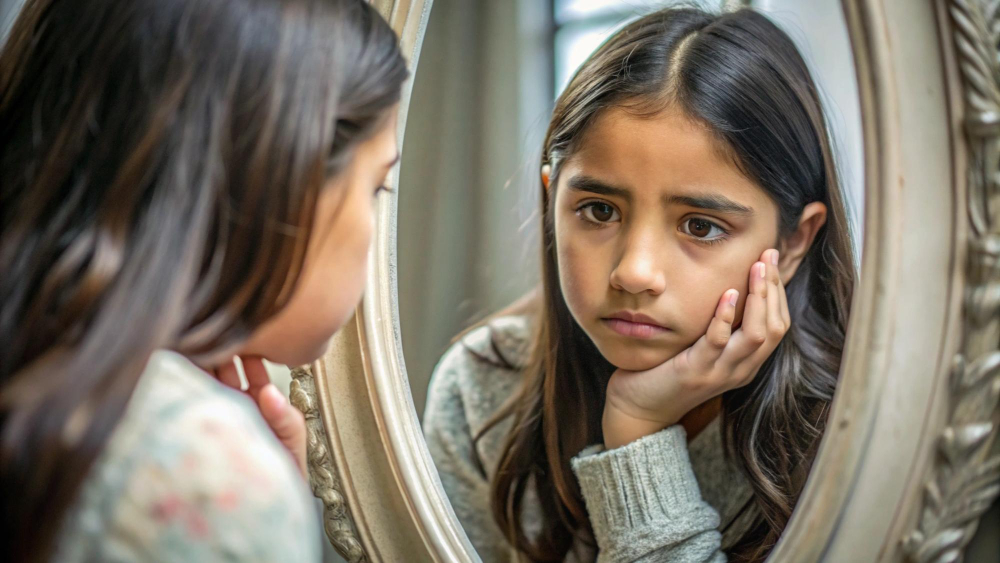
Understanding Puberty: An Overview
Puberty changes happen to every child as they grow into teenagers. During this time, the body starts to develop into an adult. For most children, puberty begins between ages 8 and 14. However, the timing can be different for everyone. Usually, girls start puberty earlier than boys. According to the CDC, these changes are a normal part of growing up. Yet, some children may notice changes sooner or later than others. Because of this, it helps to know what to expect during puberty development stages.
Normal Puberty Changes in Girls and Boys
Most children experience a set of normal puberty signs. These signs show that their bodies are developing as expected. While each child is unique, many changes are similar for boys and girls. For example, both may notice growth spurts and changes in body shape. Below are common signs for each:
Additionally, both boys and girls may notice mood swings and changes in emotions. Sometimes, these changes can feel confusing. But for most, they are a normal part of puberty development stages.
Signs of Abnormal Puberty
Sometimes, puberty changes do not follow the usual pattern. In these cases, a child may show abnormal puberty symptoms. For instance, some children may start puberty very early or very late. Early puberty means changes begin before age 8 in girls or age 9 in boys. On the other hand, delayed puberty means no signs by age 13 in girls or age 14 in boys. Watch for these signs:
Because abnormal puberty symptoms can signal health issues, it is important to notice these signs early.
Causes of Early or Delayed Puberty
Many factors can affect when puberty starts. For example, genetics play a big role. If parents started puberty early or late, their children might too. However, other causes can include:
Because early puberty or delayed puberty can sometimes be linked to health conditions, doctors may suggest tests to find the cause.
When to Seek Medical Advice
Most puberty changes are normal. Still, there are times when you should talk to a doctor. For instance, seek advice if:
Because early help can make a difference, do not wait if you have concerns. Doctors can check for causes and offer support.
Supporting Healthy Puberty Development
Parents and caregivers play a key role during puberty. First, talk openly about puberty changes and what to expect. Next, encourage healthy habits, such as:
Above all, listen to your child’s worries and answer questions honestly. If you notice signs of abnormal puberty, reach out to Mom Maternity & Pediatrics Hospital