
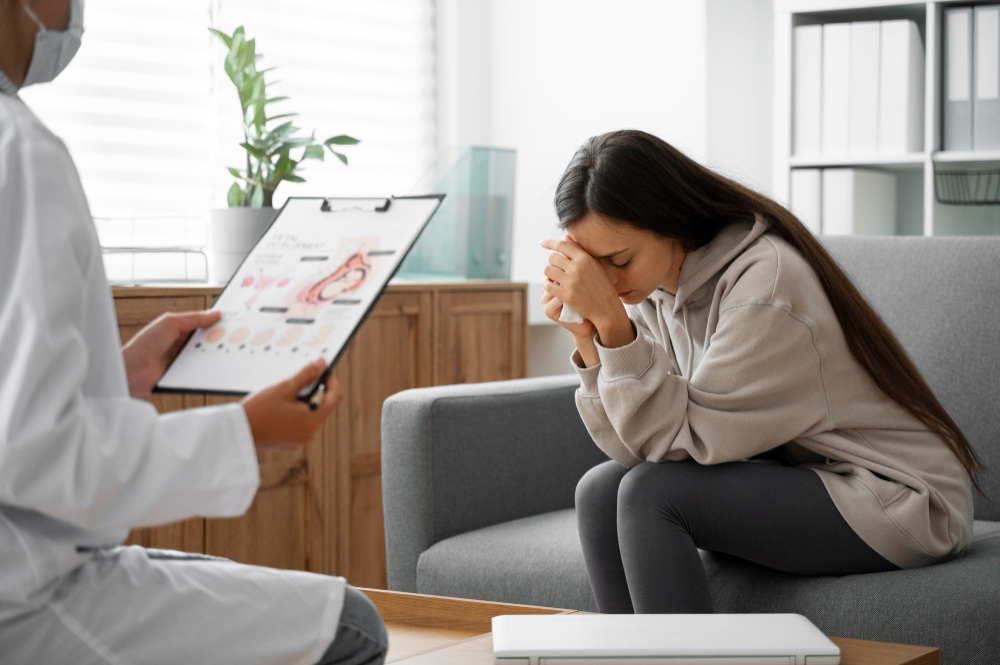
What is Miscarriage?
Miscarriage is when a pregnancy ends on its own before 20 weeks. Many people do not realize how common it is. In fact, about 10 to 20 percent of known pregnancies end in miscarriage, according to the CDC. Often, miscarriage happens early, sometimes before a woman even knows she is pregnant. Although it can be a sad and confusing time, understanding miscarriage can help you know what to expect and when to seek help.
Common Causes of Miscarriage
There are many reasons why a miscarriage may happen. Sometimes, the cause is not clear. However, some common miscarriage causes include:
Sometimes, lifestyle factors like smoking can also raise the risk. But often, nothing could have been done to prevent it. For many women, miscarriage is not caused by anything they did or did not do.
Signs and Symptoms of Miscarriage
It is important to know the early miscarriage symptoms. While some women may have no signs, common symptoms include:
However, light spotting can also happen in healthy pregnancies. If you notice any of these signs, you should contact your doctor right away. Early care can help you stay safe.
Diagnosis: How Miscarriage is Identified
Doctors use several ways to check for miscarriage. First, they may ask about your symptoms and do a physical exam. Next, they often use an ultrasound to look for the baby’s heartbeat. Blood tests can also check pregnancy hormone levels. Sometimes, your doctor may repeat these tests over a few days to be sure. Quick diagnosis helps guide the right care and support.
Treatment and Medical Care After Miscarriage
Treatment depends on how far along the pregnancy was and your health. Sometimes, the body passes all pregnancy tissue on its own. Other times, medicine or a small procedure may be needed to remove tissue. Your doctor will explain the safest option for you. After a miscarriage, it is important to watch for signs of infection, such as fever or heavy bleeding. Follow-up visits help make sure you recover well.
Emotional Support and Coping Strategies
Miscarriage can bring many emotions, including sadness, anger, or guilt. These feelings are normal. But you do not have to go through it alone. Many women and families find comfort in:
In many cities, you can find miscarriage support groups. Sharing your story may help you feel less alone. Remember, healing takes time, and everyone copes in their own way.
Prevention and When to Seek Help
While not all miscarriages can be prevented, there are steps you can take for a healthy pregnancy:
But even with the best care, miscarriage can still happen. If you have heavy bleeding, severe pain, fever, or feel very unwell, seek medical help right away. Early care can prevent complications and support your recovery.
If you have questions or concerns about miscarriage, consult a healthcare provider at Mom Maternity & Pediatrics Hospital for personalized advice and support.